

You can’t visit San Antonio without hearing whispers of the Alamo. It’s more than a building—it’s a feeling. A moment frozen in time. Nestled in the heart of downtown, the Alamo Mission isn’t just a historic site; it’s a touchstone of Texas identity. Whether you’re a history lover, a curious traveler, or someone simply chasing iconic landmarks, the Alamo San Antonio experience has a way of grabbing hold of your imagination—and not letting go.
Before you even walk through its gates, the past feels present. And once you’re inside? Well, that’s when things really begin to unfold.
A Walk Through Time: The Story Behind the Stone
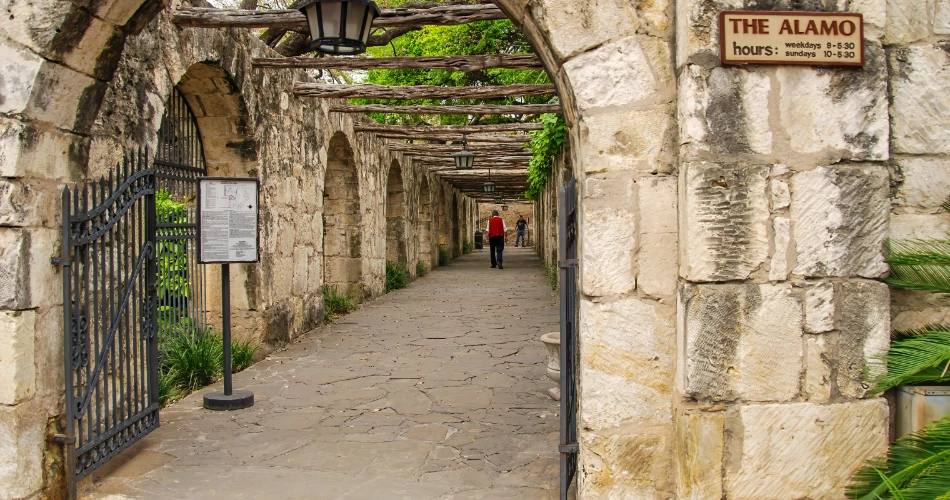
Let’s rewind a bit. Originally built in the 1700s by Spanish missionaries, the Alamo began its life as a Roman Catholic mission and fortress. It was part of a network of missions established along the San Antonio River to spread Christianity among the native peoples. That peaceful start, however, was only the beginning.
Fast forward to 1836. This is the year etched in every Texan’s mind. The Battle of the Alamo—where nearly 200 Texian defenders held out for 13 days against thousands of Mexican troops led by General Santa Anna—turned this quiet mission into a symbol of resistance and sacrifice. Although the defenders were ultimately defeated, their bravery lit a fire that helped win Texas its independence shortly afterward.
Even today, Texas landmarks don’t come more emotionally charged than this. It’s impossible to walk its grounds without pausing for reflection.
And yet, despite the solemn history, the Alamo also inspires. It stands not just as a memory of battle, but as a testament to resilience. A place where a handful of determined individuals stood for something bigger than themselves.
Beyond the Battlefield: A Living Cultural Landmark
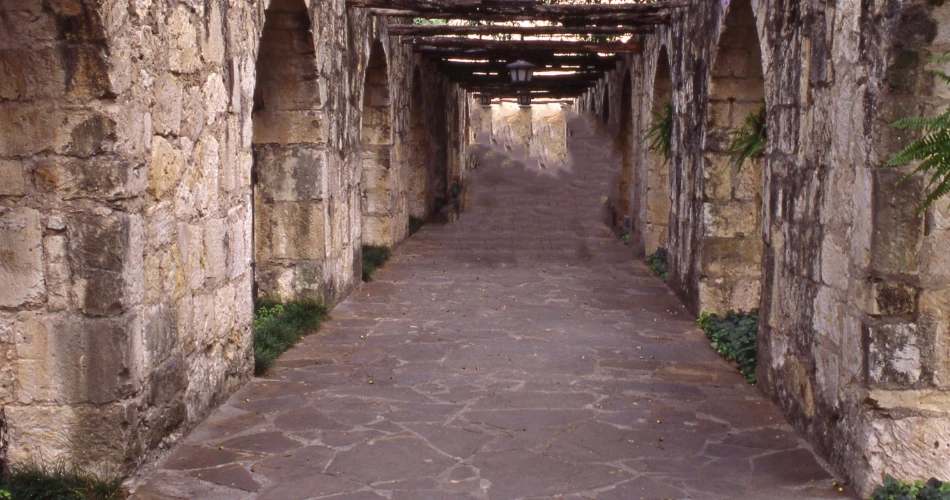
While the battle often takes center stage, there’s much more to discover here. The Alamo isn’t frozen in the past—it continues to evolve. In fact, what makes it one of the top cultural attractions in the country is how it connects its rich heritage with present-day curiosity.
Walk through the church building, and you’ll see the worn limestone walls that have watched centuries roll by. But the real magic happens when you explore the surrounding courtyards and gardens. Shade-drenched trees, chirping birds, and quiet benches offer visitors a chance to slow down and reflect.
Inside the Long Barrack—one of the oldest buildings on-site—you’ll find fascinating exhibits filled with artifacts, weapons, and personal items from the time of the Texas Revolution. These little details help paint a fuller picture.
Even better? Interactive displays and educational programs make it easy to engage no matter your age. Whether you're traveling solo, with friends, or bringing the kids along, there’s something here for everyone to learn—and feel.
And if you’re the kind who loves to dig a little deeper, the official Alamo Explorer app is a great companion. It offers a GPS-based walking tour, audio narration, and high-resolution images of artifacts you might otherwise miss. No need to guess—just tap, learn, and keep moving at your own pace.
So, while it’s one of the most visited historical sites San Antonio has to offer, it never feels like a museum behind glass. Instead, it feels alive.
What Makes the Alamo So Powerful Today?
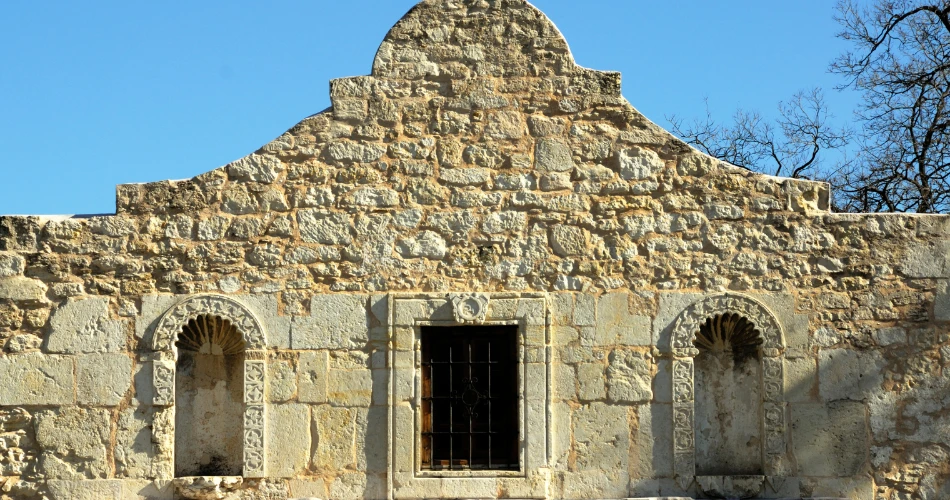
It’s true that the architecture is striking. And yes, the history is undeniably compelling. But there’s something intangible that sets the Alamo apart from other Texas landmarks.
Maybe it’s the stories. Not just of the famous—like Davy Crockett, James Bowie, and William B. Travis—but of the ordinary people who stood beside them. Farmers, blacksmiths, immigrants, and local volunteers—all bound by the belief that freedom was worth the fight.
Or perhaps it’s the way the space holds silence. Even with crowds nearby, you can find moments of surprising stillness. It’s a place that invites reflection, not just about the past but about what courage and sacrifice look like today.
Of course, every corner of San Antonio is brimming with history and charm. But the Alamo holds a rare kind of gravity. It’s why it remains the heart of so many conversations about Texan pride and identity. And why, no matter how many times you visit, you always walk away with something new.
From an educational standpoint, it also continues to evolve. The Alamo is currently undergoing a major redevelopment to improve interpretation, restore original walls, and tell a broader, more inclusive story. These efforts aim to honor all who played a role—not just the defenders, but also the Tejanos, Indigenous peoples, and enslaved persons whose stories are equally vital.
By expanding the narrative, this site is not only honoring history—it’s making space for the future.
Before You Go: Soaking Up the Surroundings
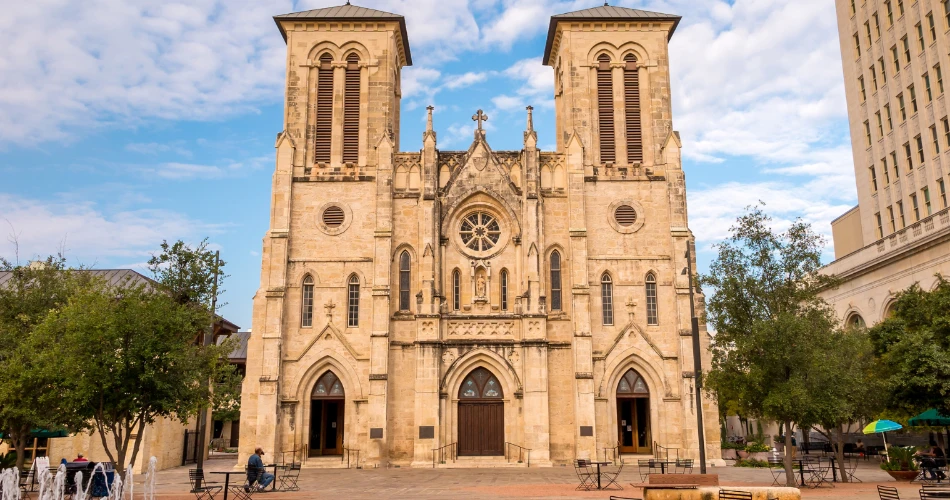
While this post isn’t meant to be a travel guide, it’s hard not to mention just how perfectly placed the Alamo is for a slow, easy day of discovery. Right outside its gates, the San Antonio River Walk winds its way through downtown, providing shaded pathways, stone bridges, and a lively atmosphere that contrasts beautifully with the quiet reverence of the Alamo itself.
For anyone interested in further cultural attractions, nearby gems like the Briscoe Western Art Museum or the San Fernando Cathedral are well worth a stroll. Or you can simply grab a park bench, people-watch, and let the sounds of mariachi music and gently lapping water transport you.
If you’re the journaling type, bring a notebook. Sit under one of the live oaks and jot down a few thoughts. There’s something about this place that makes you want to write things down.
And if you’d rather listen than write, there are plenty of storytelling podcasts and local history audio tours you can stream as you explore. Texas History Lessons is one such podcast that adds vivid layers of context to places like the Alamo.
It’s all about layering your experience—taking in not just the stone and soil, but the stories, sounds, and spirits that linger here.
Final Thoughts: The Alamo Is More Than a Memory
Visiting the Alamo Mission isn’t just a trip back in time—it’s a grounding, humbling reminder of what people can endure and stand for. It's no wonder that historical sites San Antonio has to offer often begin and end with this unforgettable landmark.
And yet, despite all the history and emotion packed into its walls, the Alamo isn’t a place of sorrow. Instead, it feels like a place of courage. Of determination. A reminder that the stories we tell—and the ones we choose to remember—can shape the future just as powerfully as they’ve shaped the past.
So, when you next find yourself in San Antonio, make space in your day for the Alamo. Take your time. Breathe it in. You’ll walk away with more than just photos—you’ll carry the echo of something much bigger.